Menu
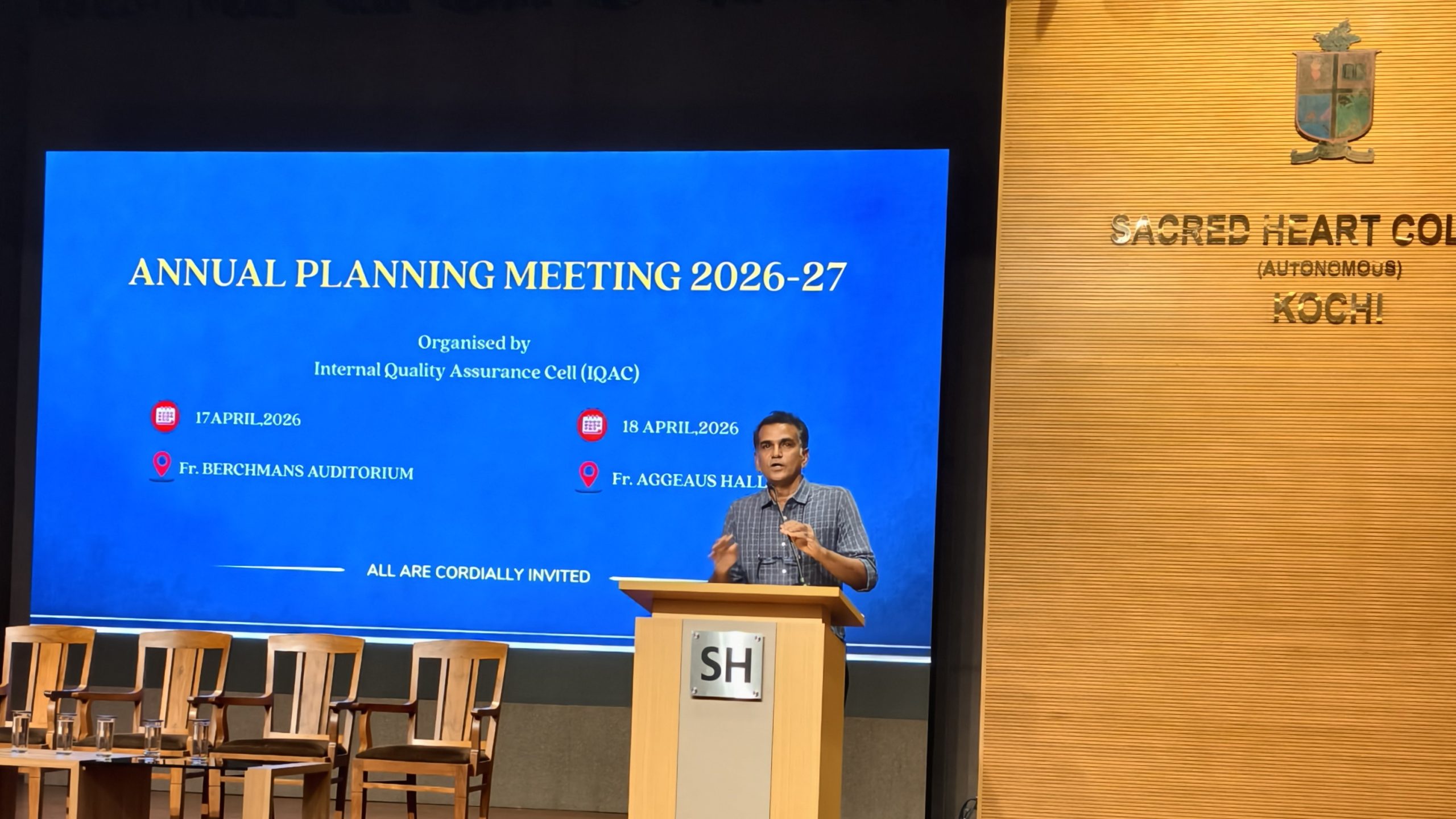
Annual Planning Workshop 2026–2027
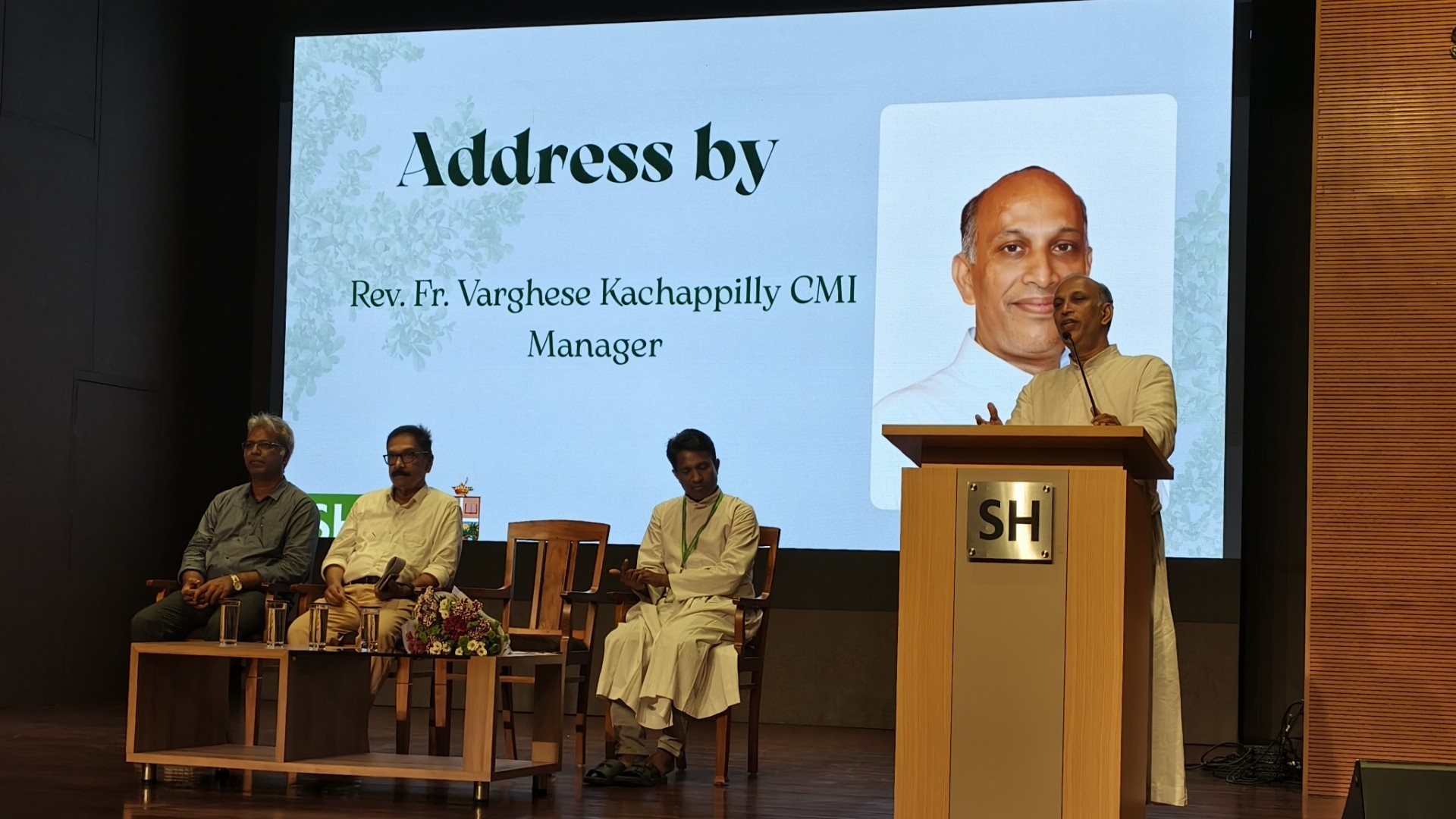
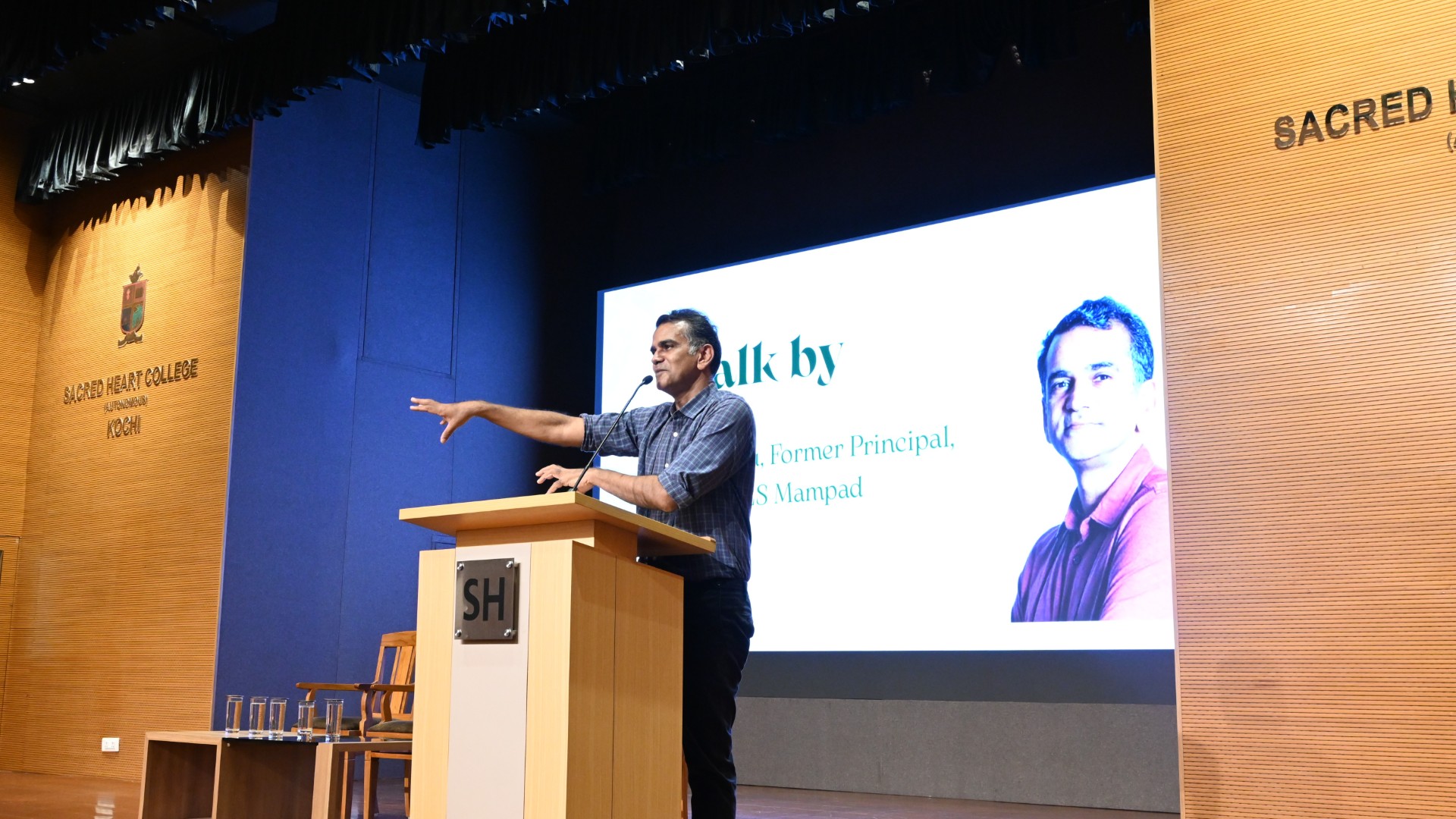
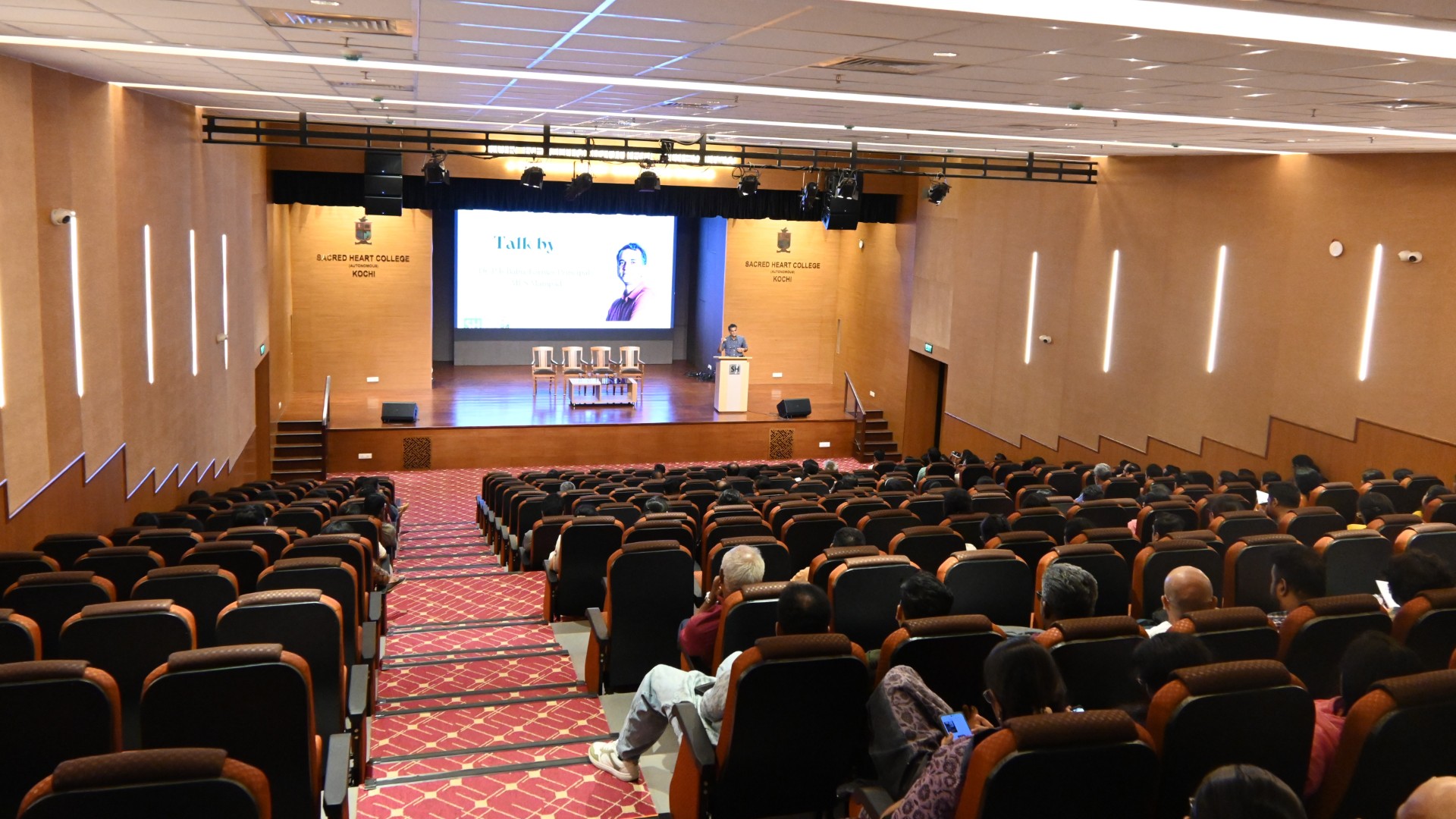
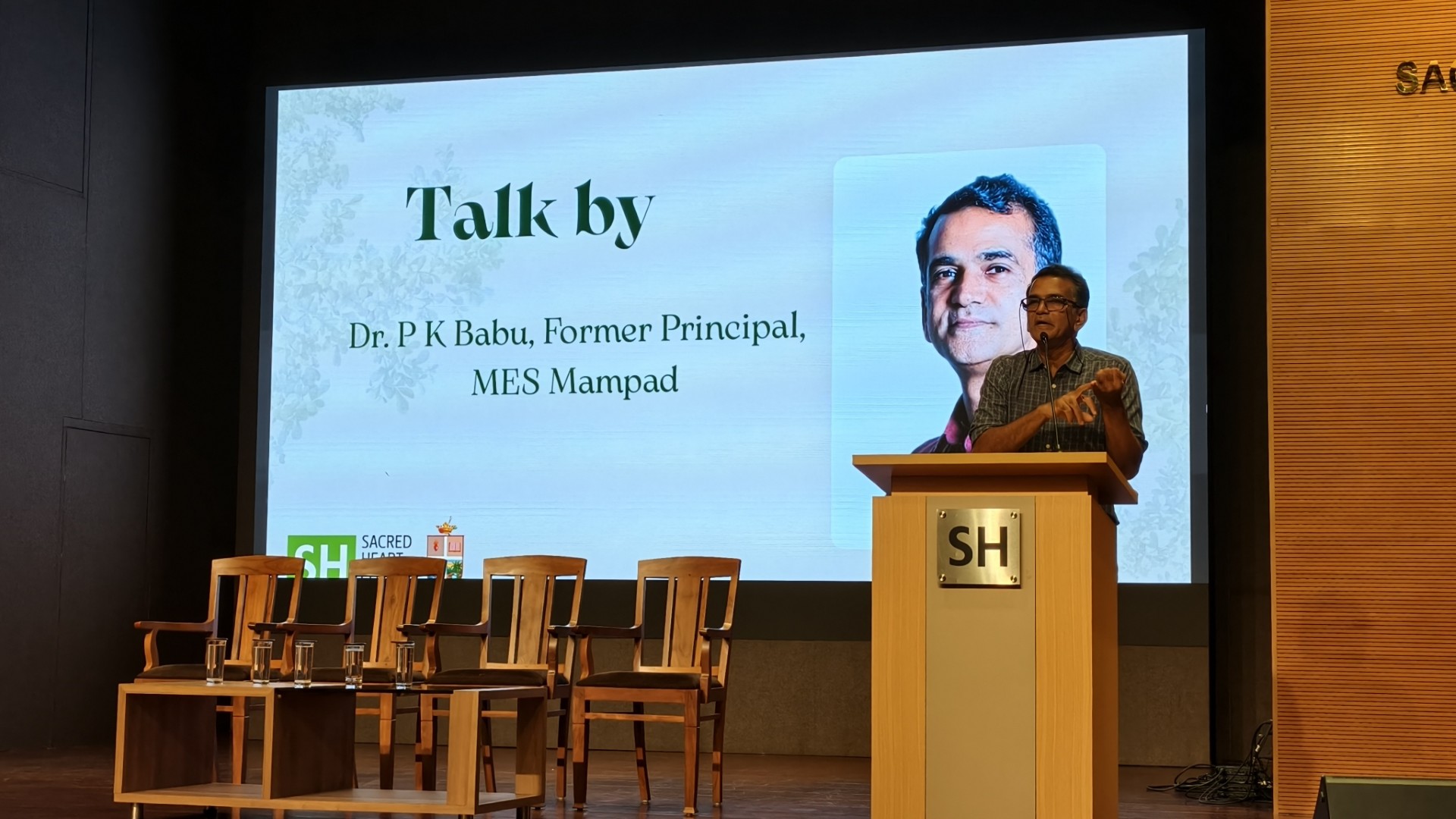
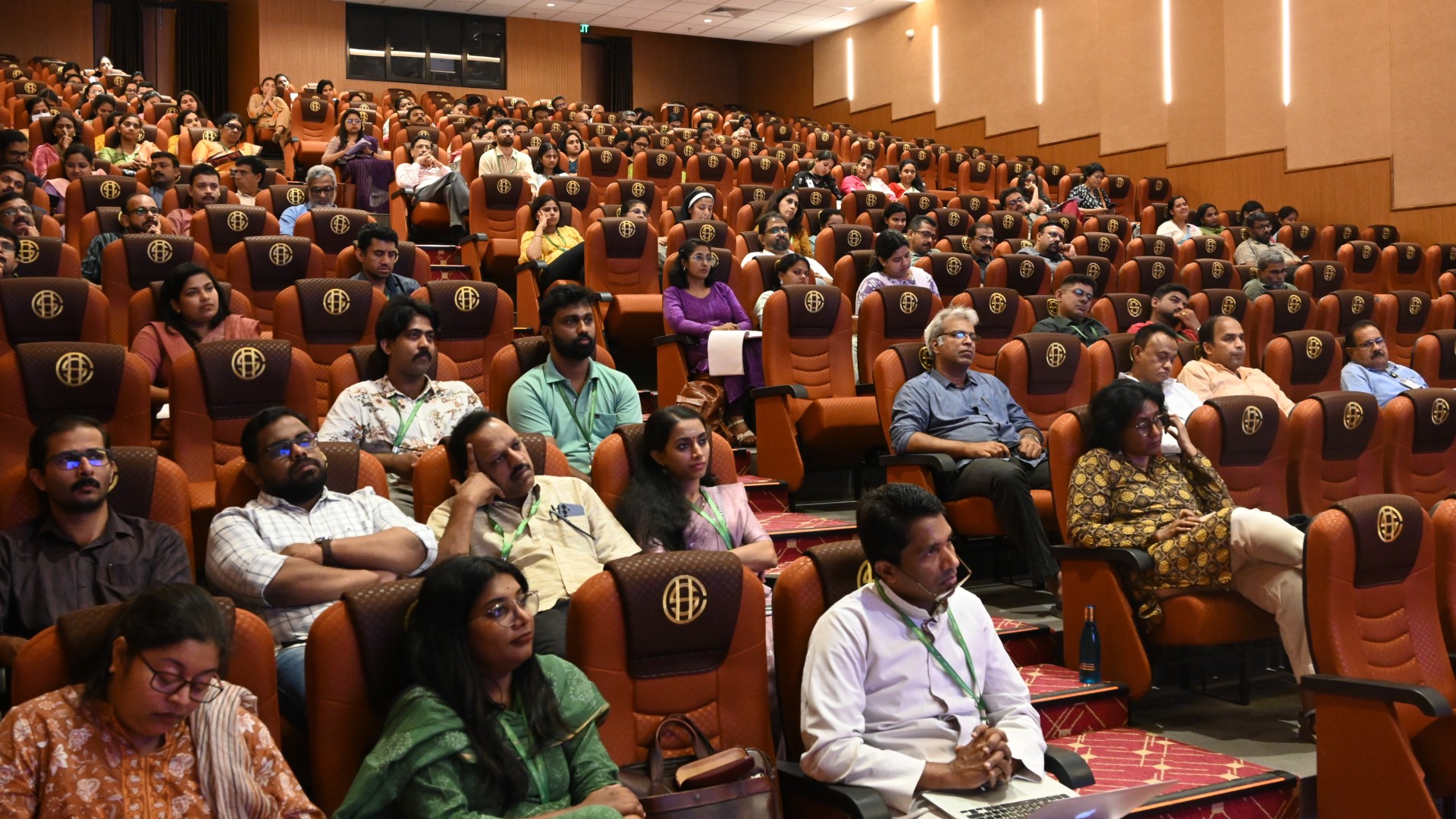
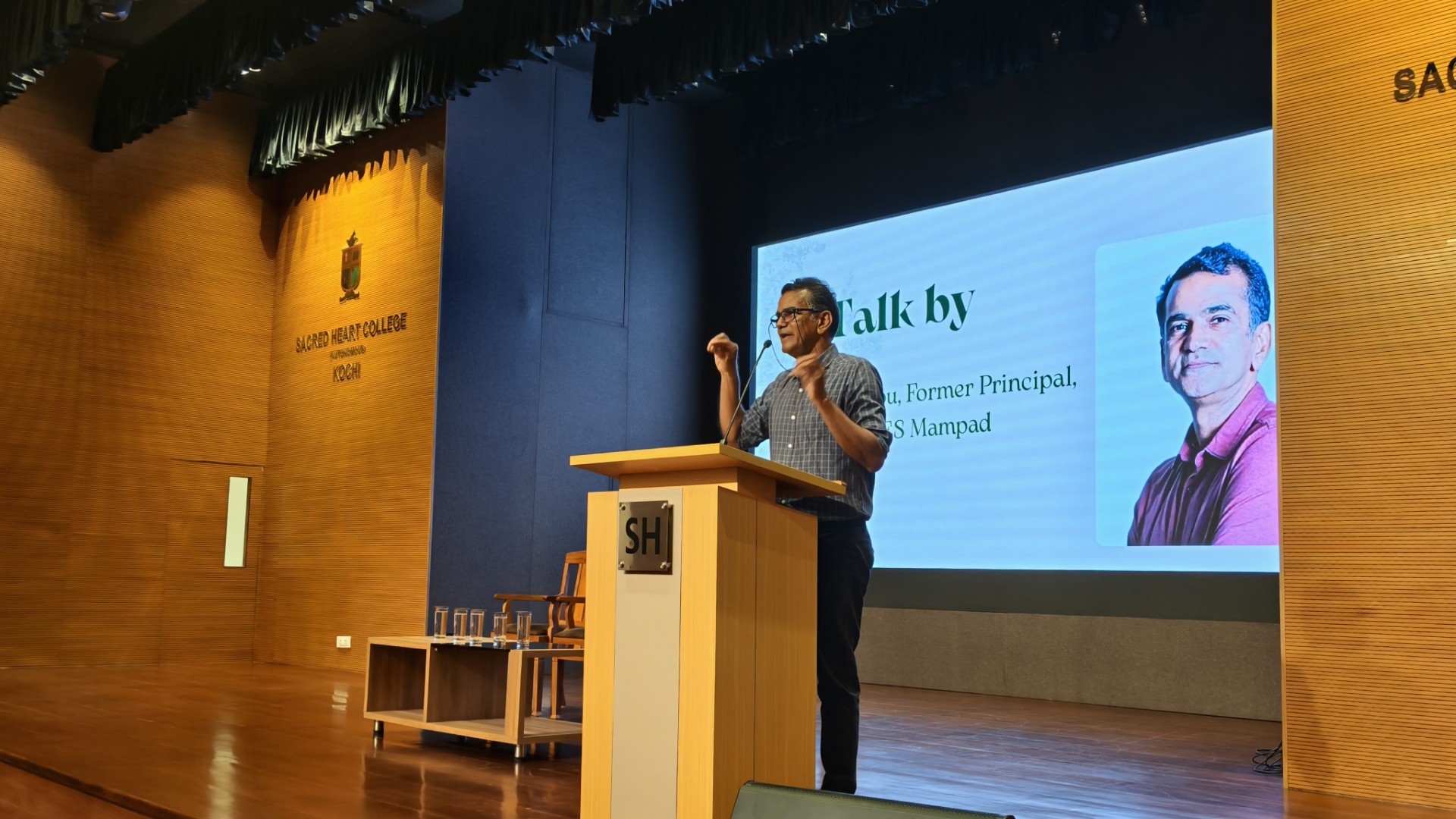
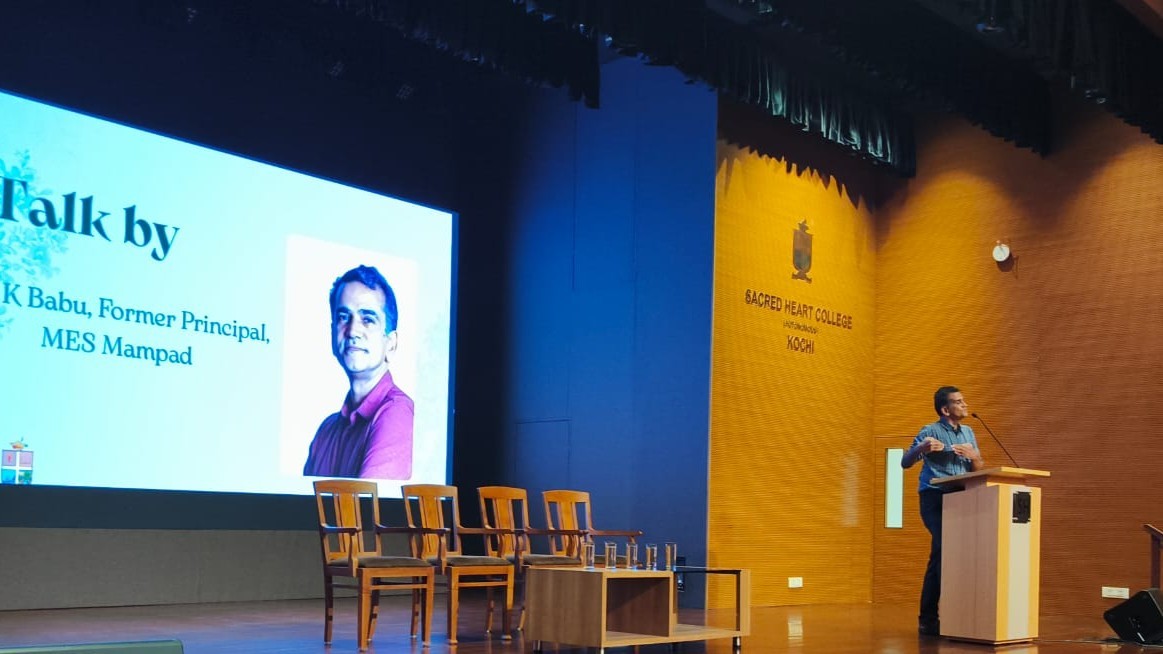
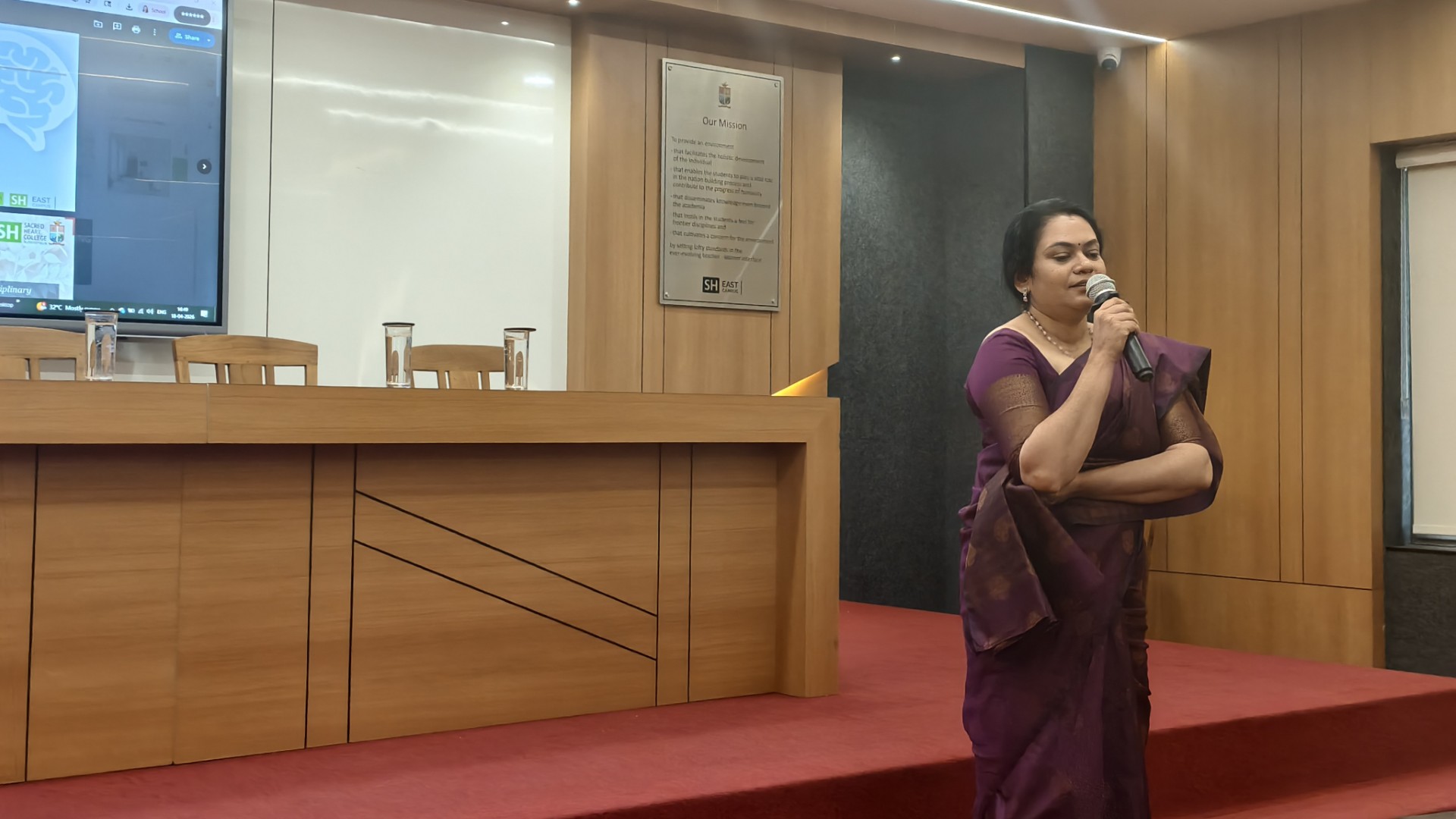
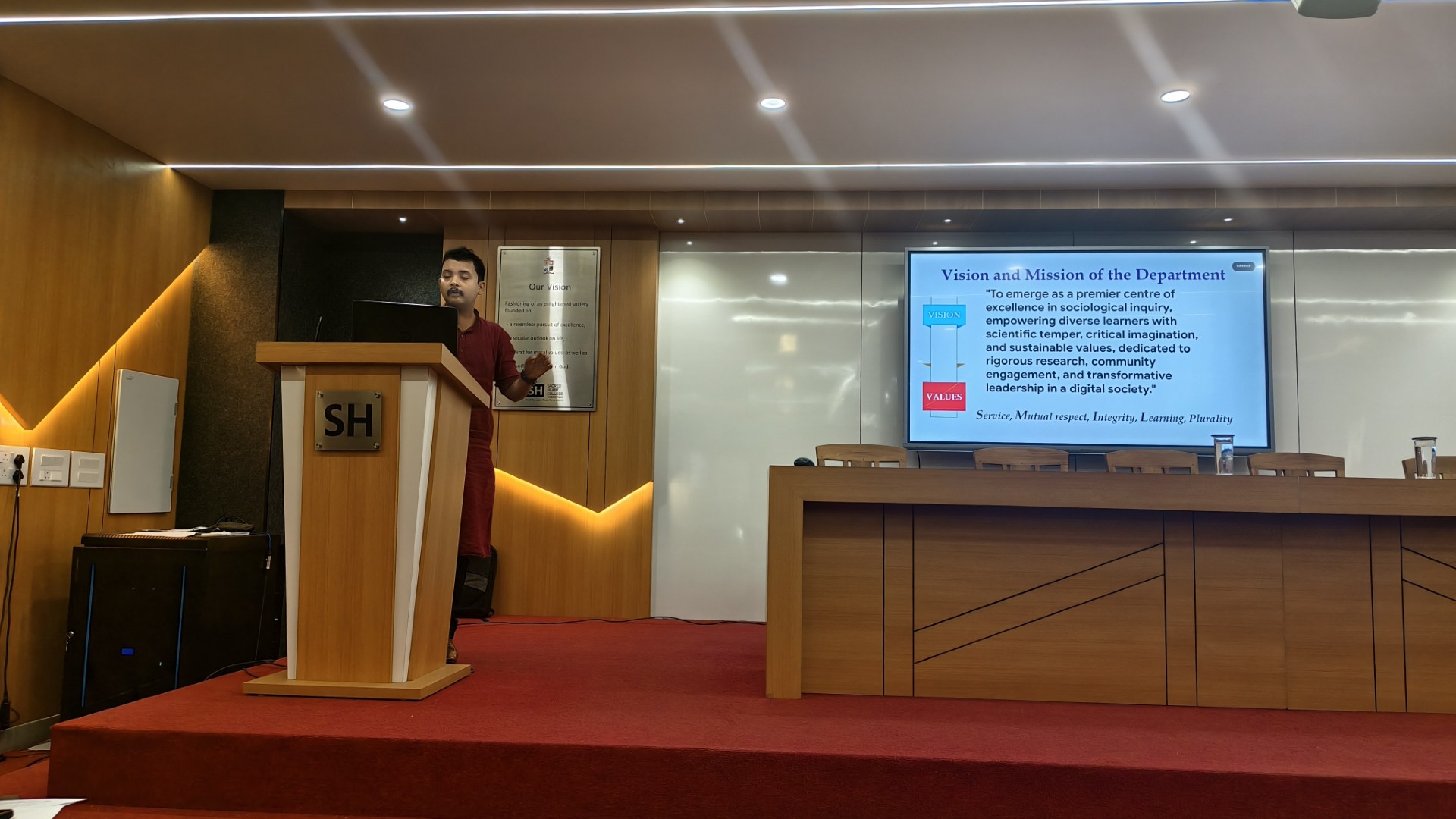
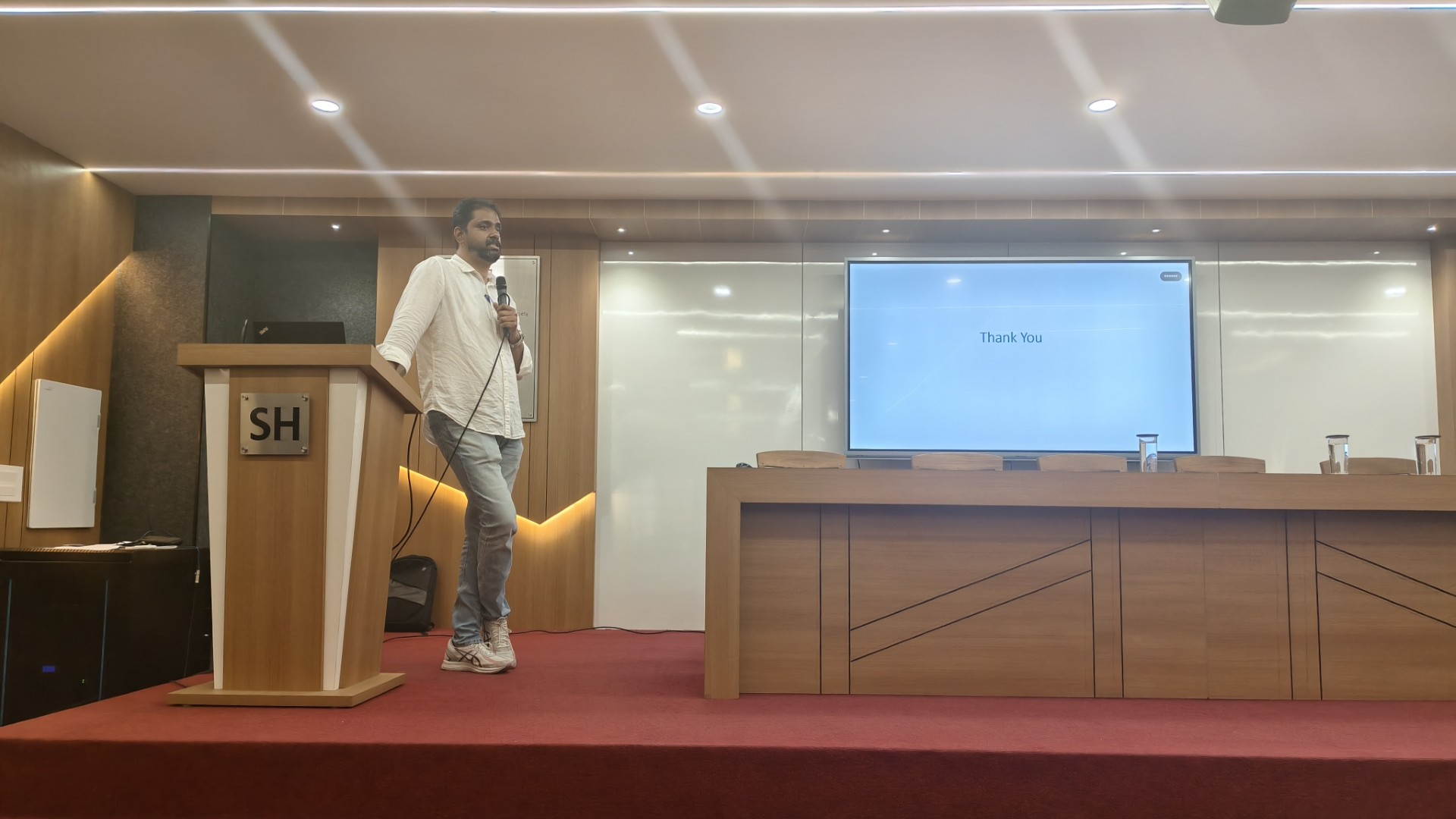
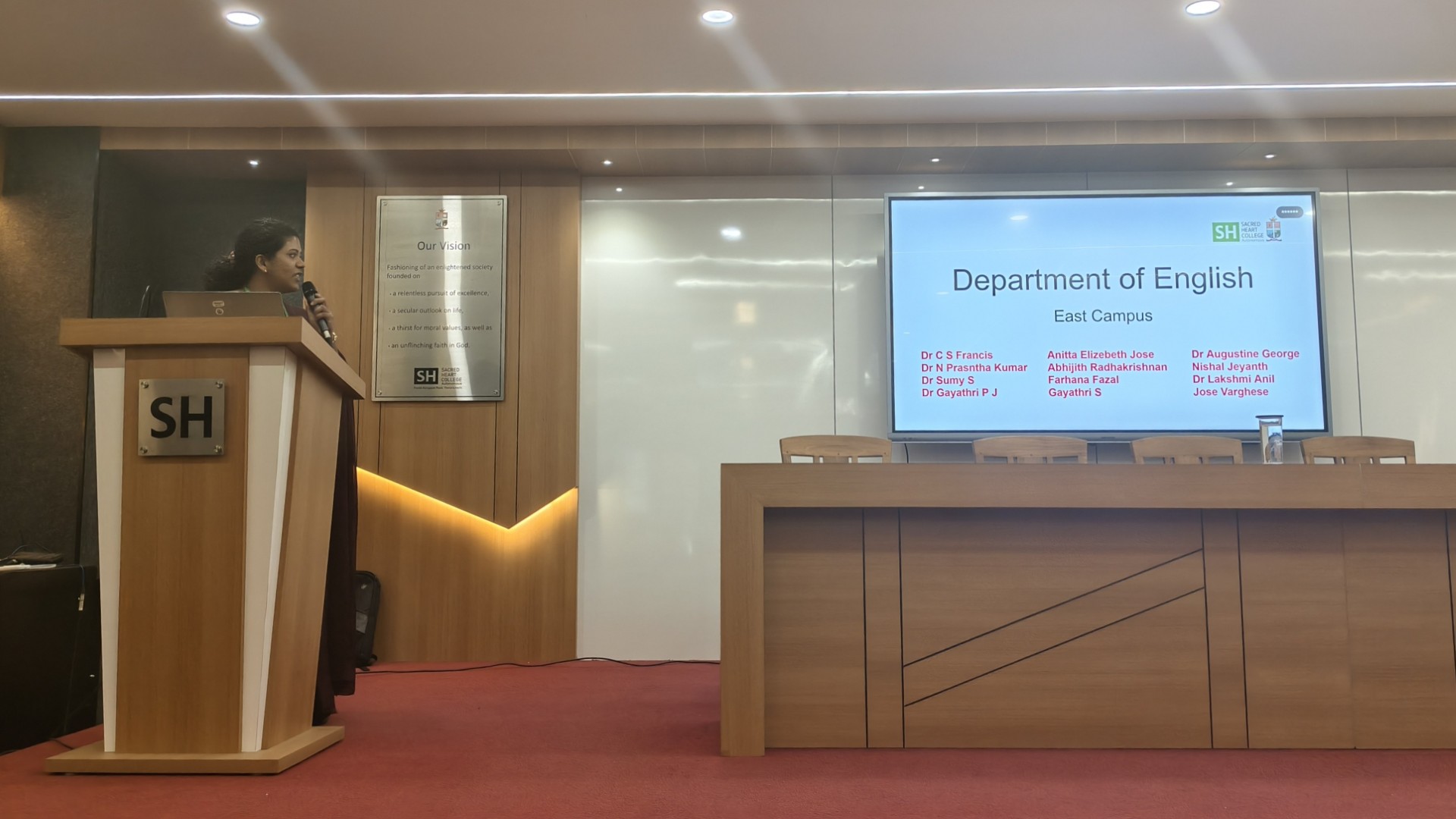
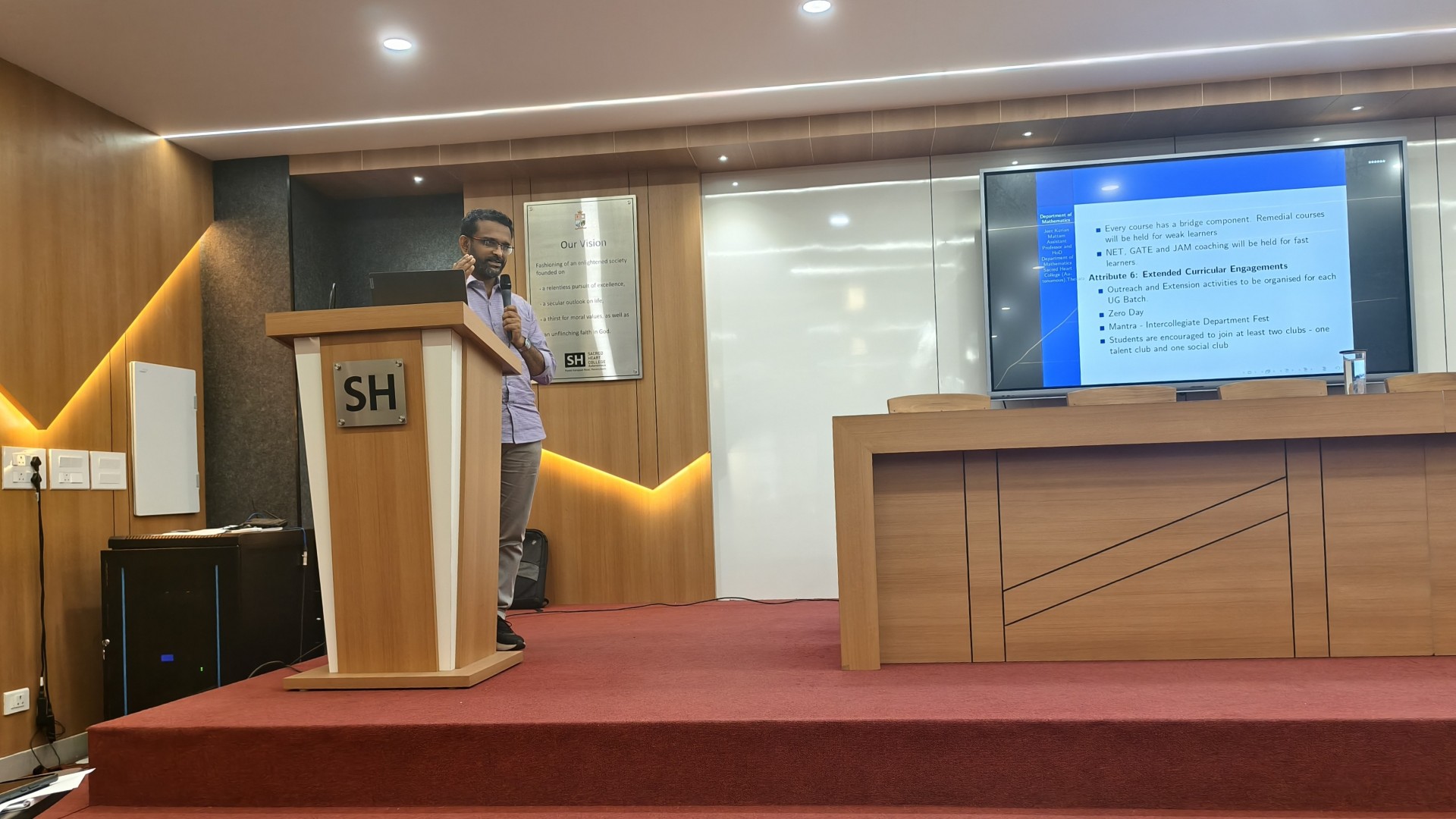
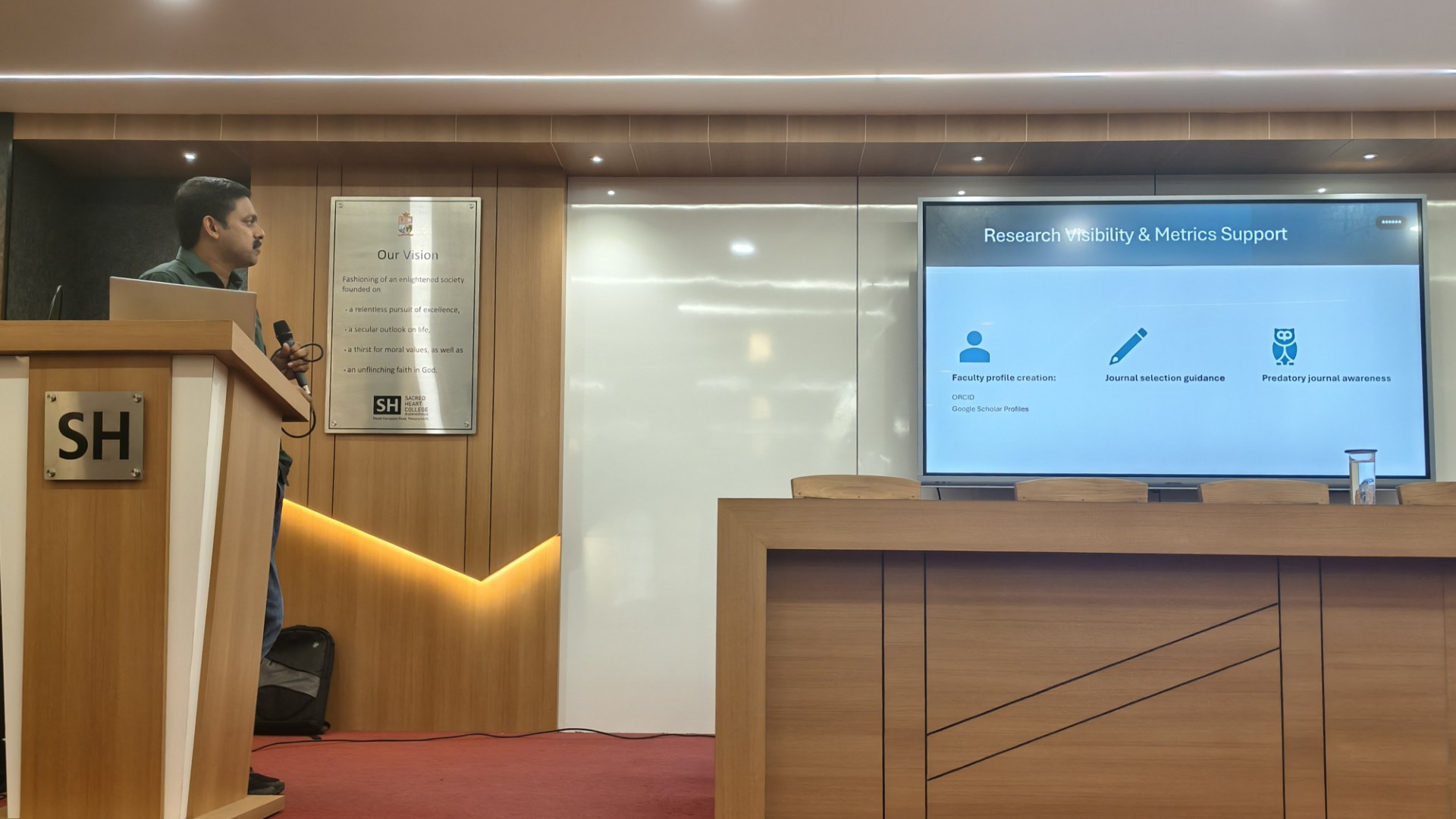
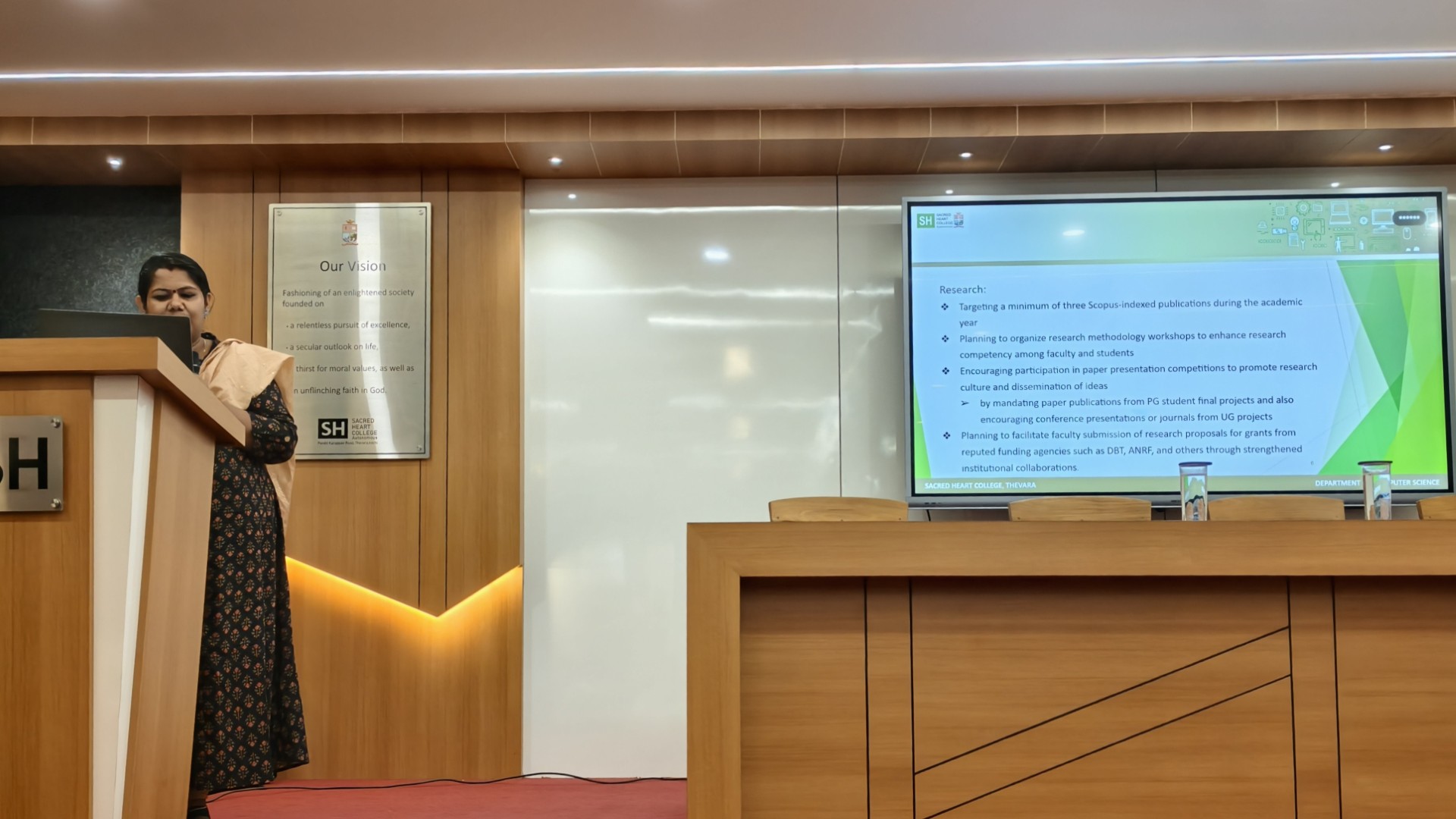
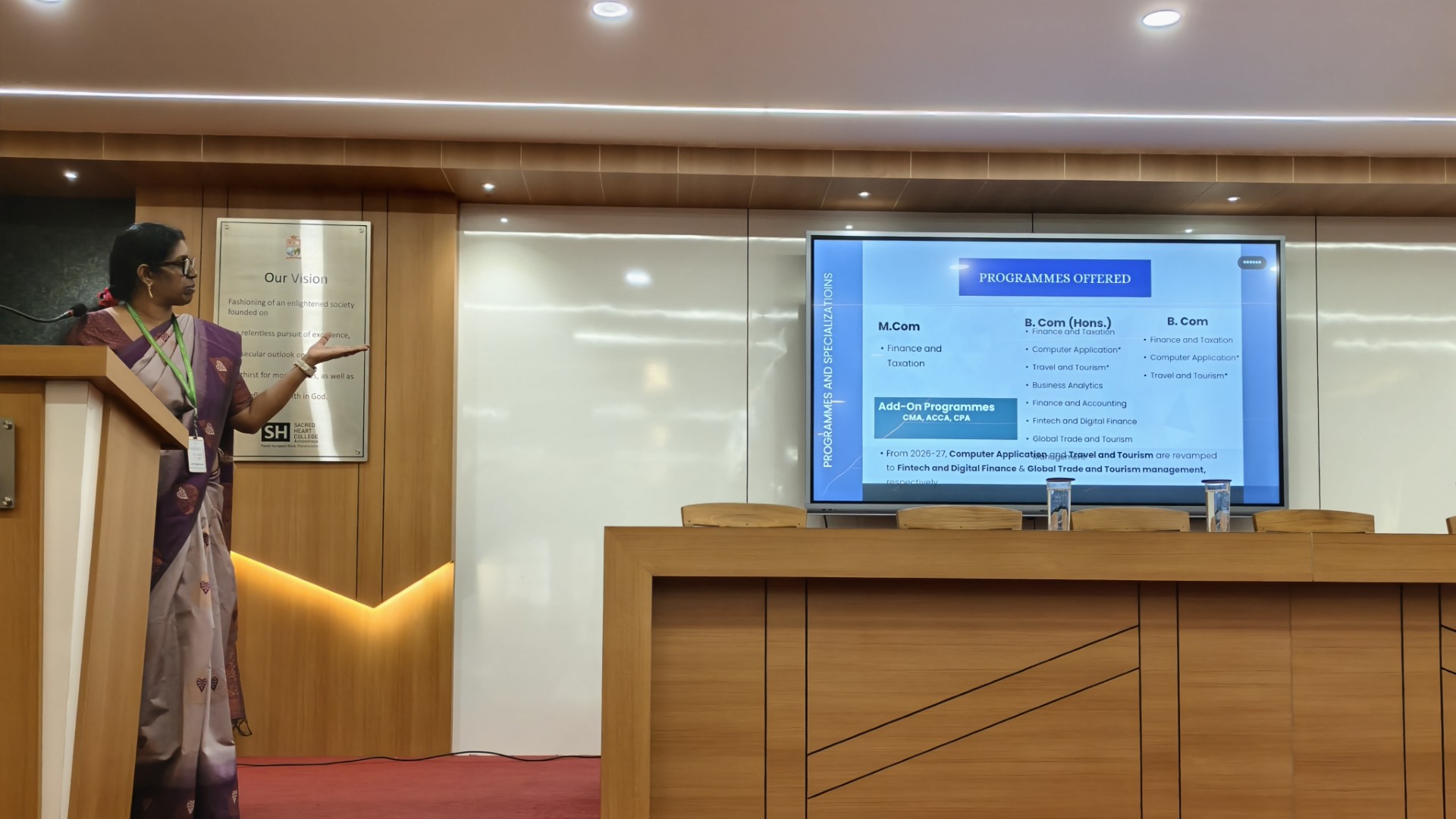
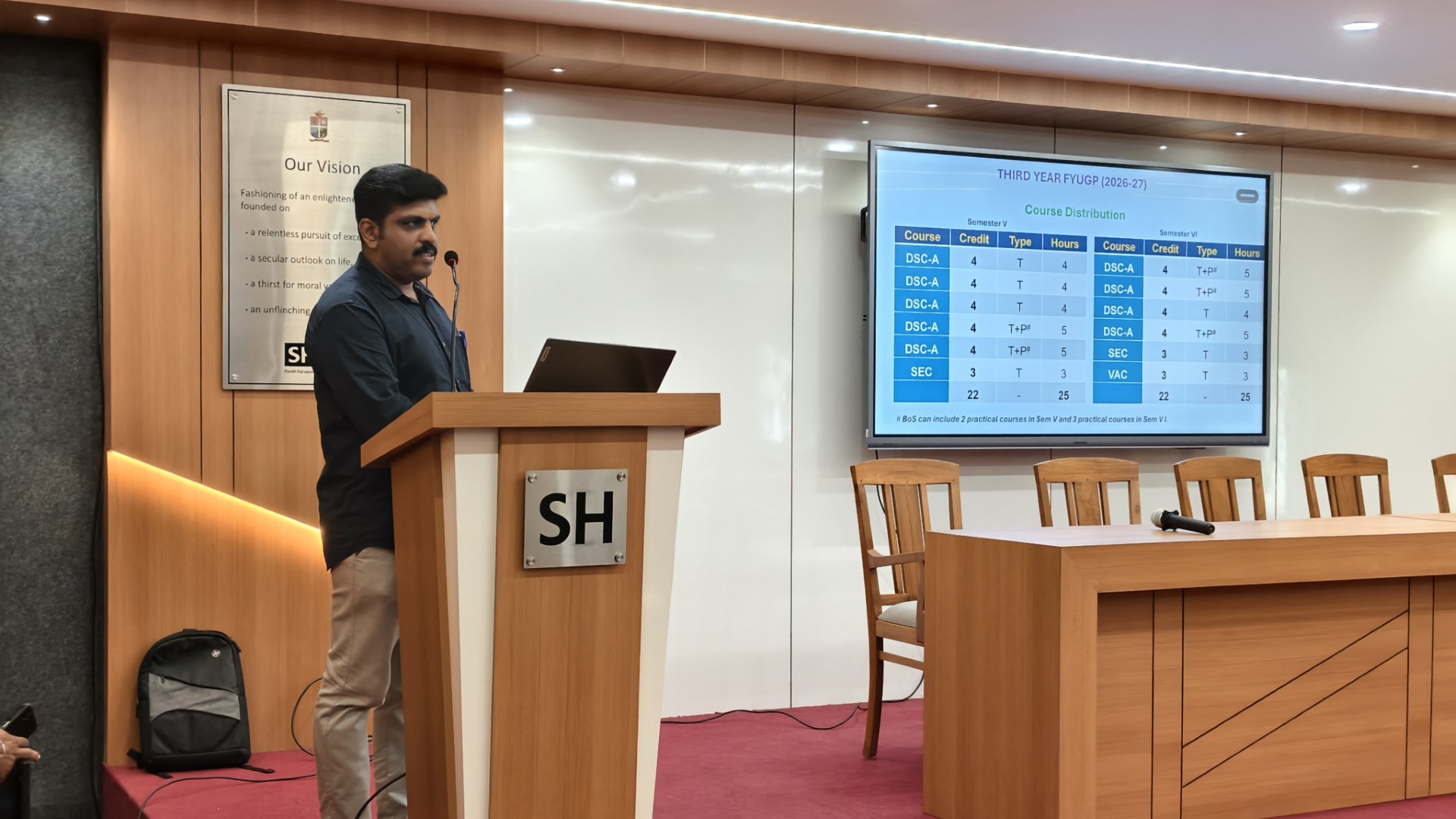
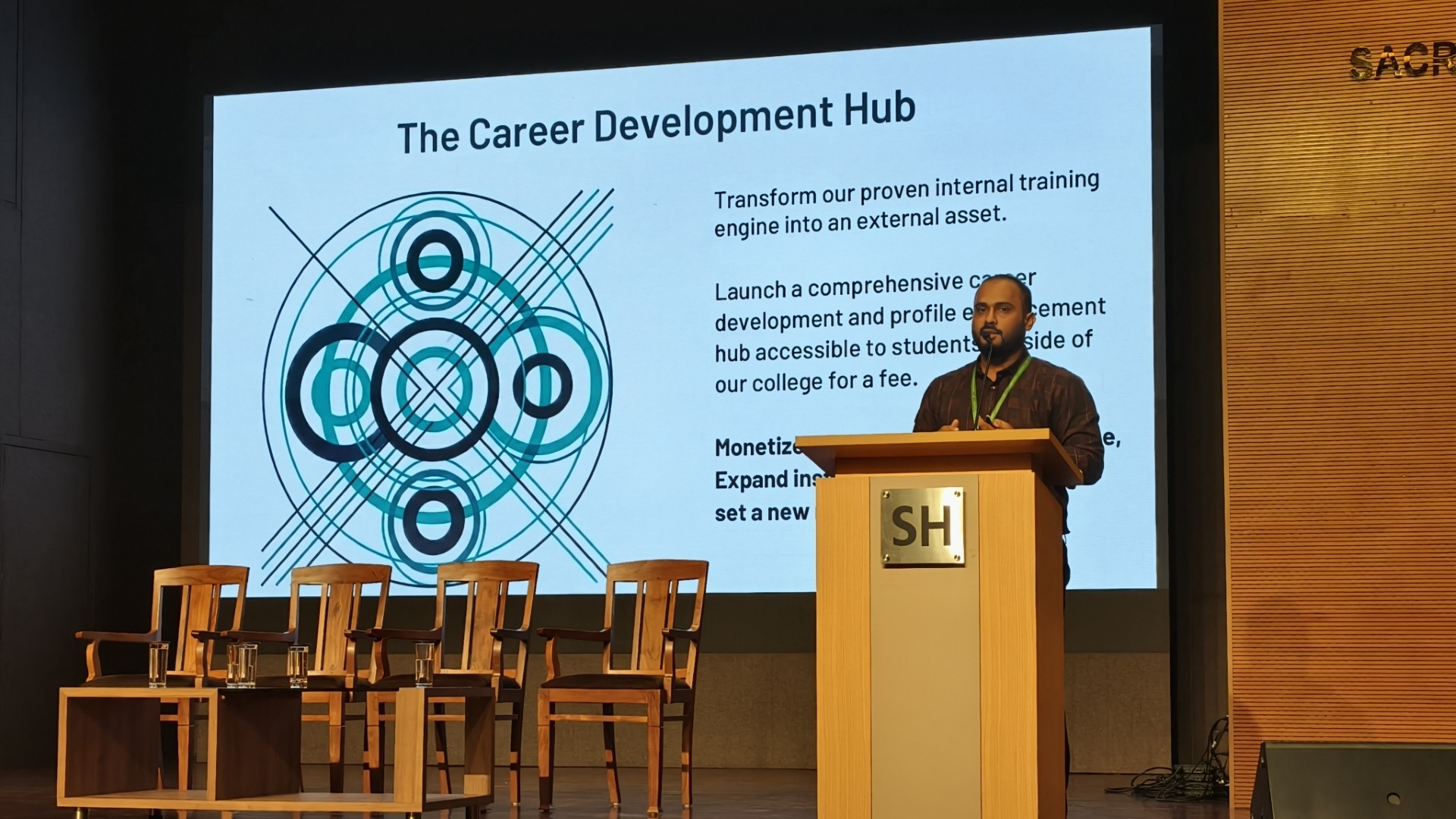
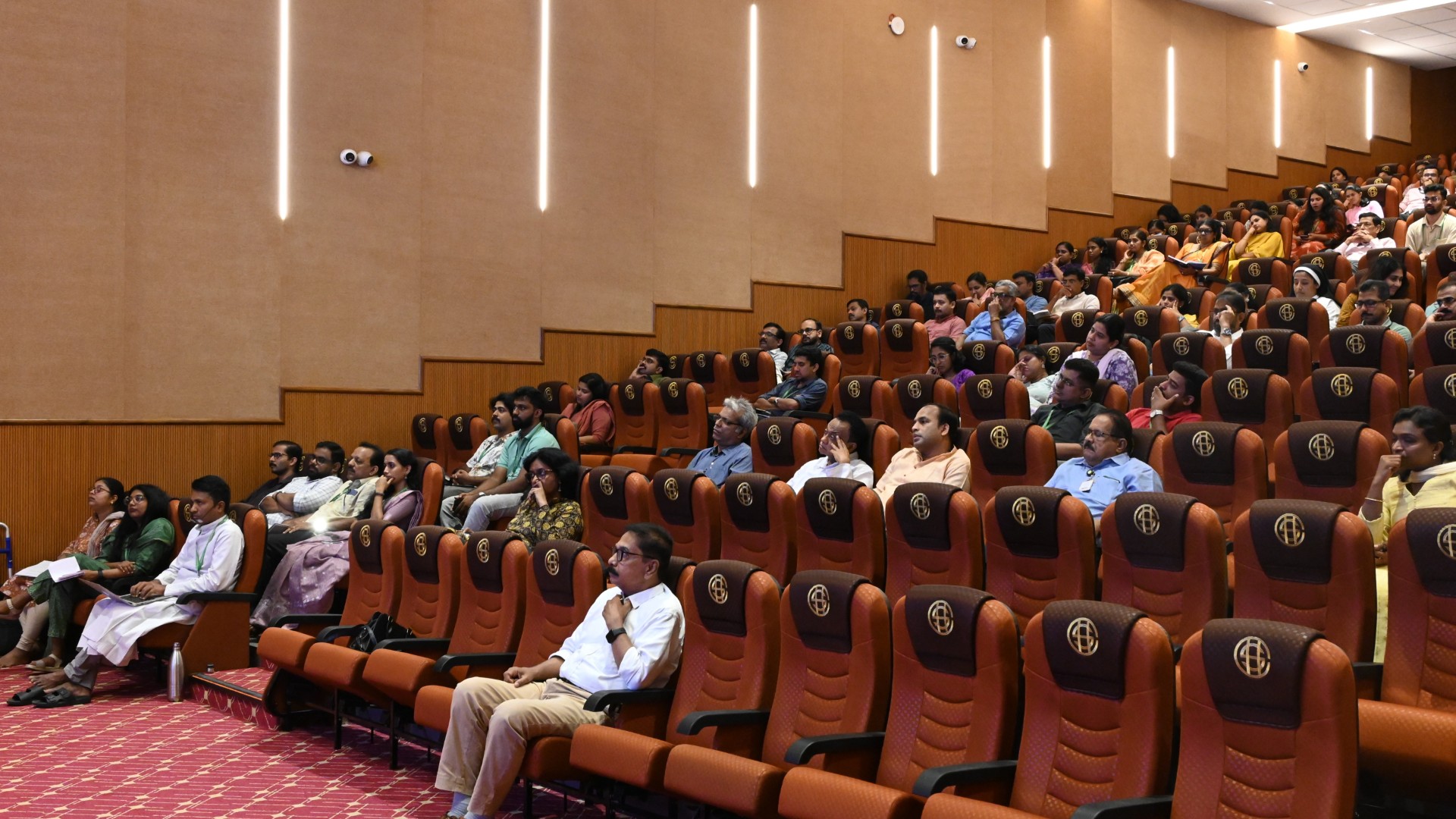
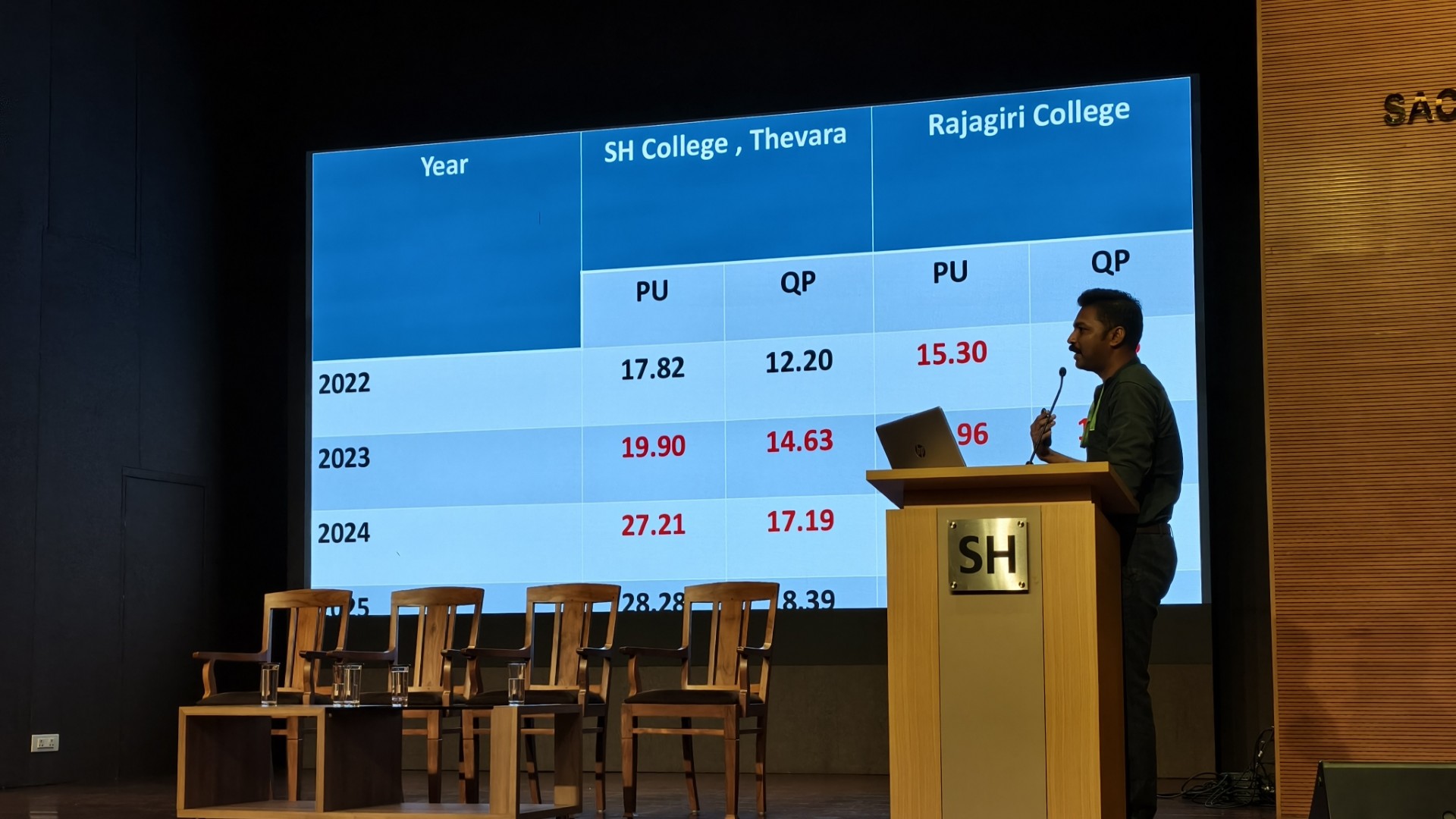
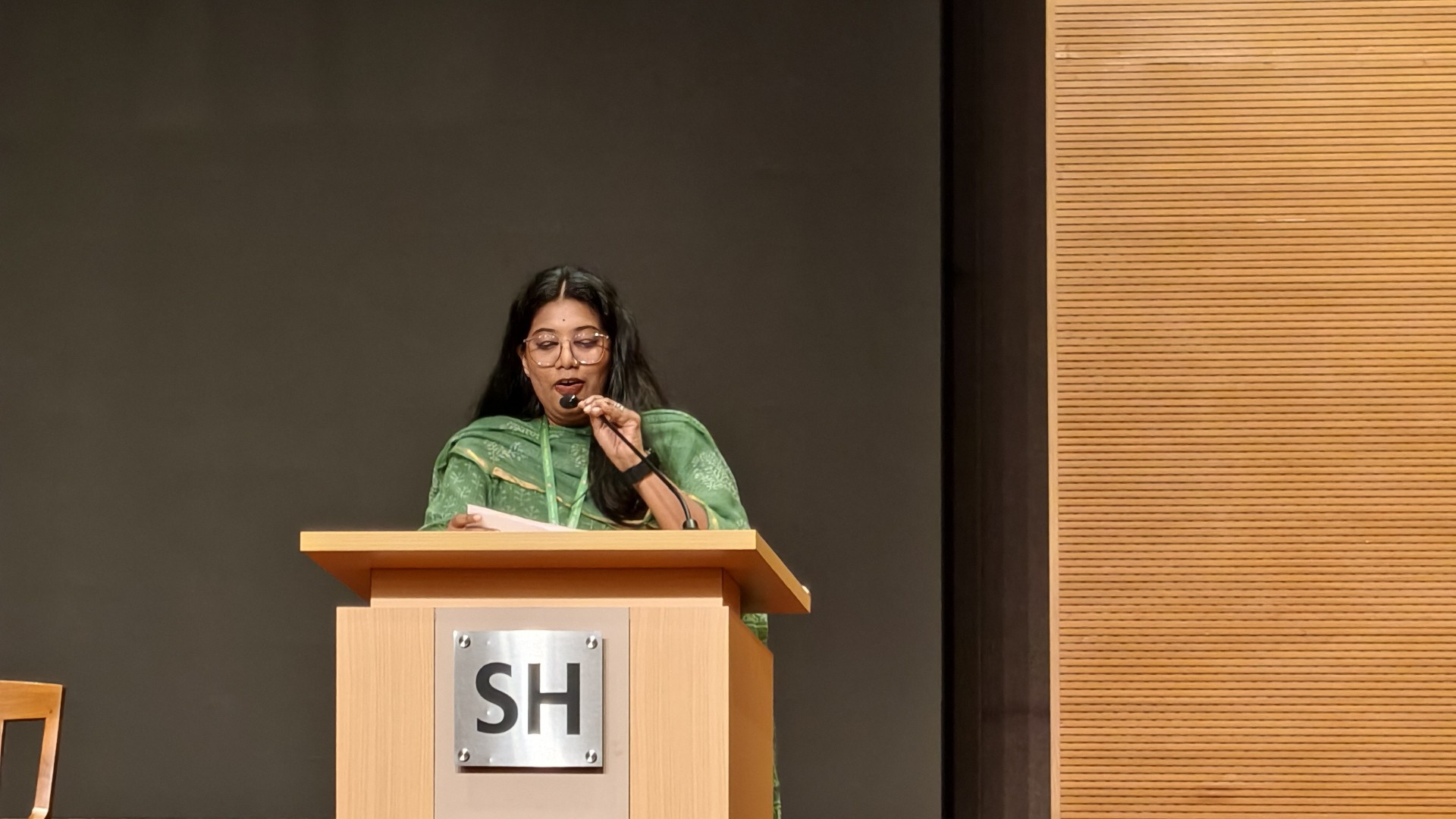
The IQAC Annual Planning Workshop for the academic year 2026–2027 was conducted on 17th and 18th April 2026, focusing on institutional strategy, quality enhancement, and structured departmental planning aligned with NAAC criteria. Day 1 (17 April 2026) commenced with the inaugural session, followed by the keynote address by Dr. P. K. Babu, Former Principal, MES Mampad, on the theme “Plans that Build: Going Beyond Quality Mandates.” In his session, he highlighted the increasing importance of systematic academic planning in response to rapid transformations in higher education. He discussed key challenges such as declining student enrolments, the emergence of digital and hybrid learning models, and growing competition from online certification platforms. He emphasised the need to reposition institutions as centres of innovation and character formation, rebuild public trust, and ensure stakeholder satisfaction. He further underlined the importance of outcome-based education, strengthening research and publication ecosystems, integrating technology into academic processes, embedding skill development within programmes, and promoting interdisciplinary approaches in line with NEP 2020. The session concluded with an engaging Q&A interaction. The day also featured sessions by institutional leadership focusing on examination reforms, research and consultancy, placement strategies, and attribute-based planning. Departments were guided to prepare structured annual plans, followed by internal discussions. Day 2 (18 April 2026) was dedicated to department-wise annual planning presentations, reviewed by Dr. Bindhiya M. Varghese, Dean, Rajagiri College of Social Sciences. She provided detailed and constructive feedback, stressing the importance of measurable targets, clarity in objectives, enhanced research output—especially SCOPUS-indexed publications—improved placement strategies, and stronger industry collaborations. Departments were also encouraged to define their unique identity, align curriculum with career pathways, and introduce innovative initiatives. In her concluding remarks, she recommended developing an institutional umbrella vision, strengthening research and consultancy, promoting startups and patents, enhancing Faculty Development Programmes, and conducting mid-year reviews. The workshop concluded with a vote of thanks, reinforcing a structured and outcome-driven roadmap for academic excellence.
Gallery
Annual Planning Workshop 2026-27 (26)
Annual Planning Workshop 2026-27 (27)
Annual Planning Workshop 2026-27 (6)
Annual Planning Workshop 2026-27 (25)
Annual Planning Workshop 2026-27 (5)
Annual Planning Workshop 2026-27 (2)
Annual Planning Workshop 2026-27 (24)
Annual Planning Workshop 2026-27 (23)
Annual Planning Workshop 2026-27 (22)
Annual Planning Workshop 2026-27 (21)
Annual Planning Workshop 2026-27 (20)
Annual Planning Workshop 2026-27 (19)
Annual Planning Workshop 2026-27 (18)
Annual Planning Workshop 2026-27 (17)
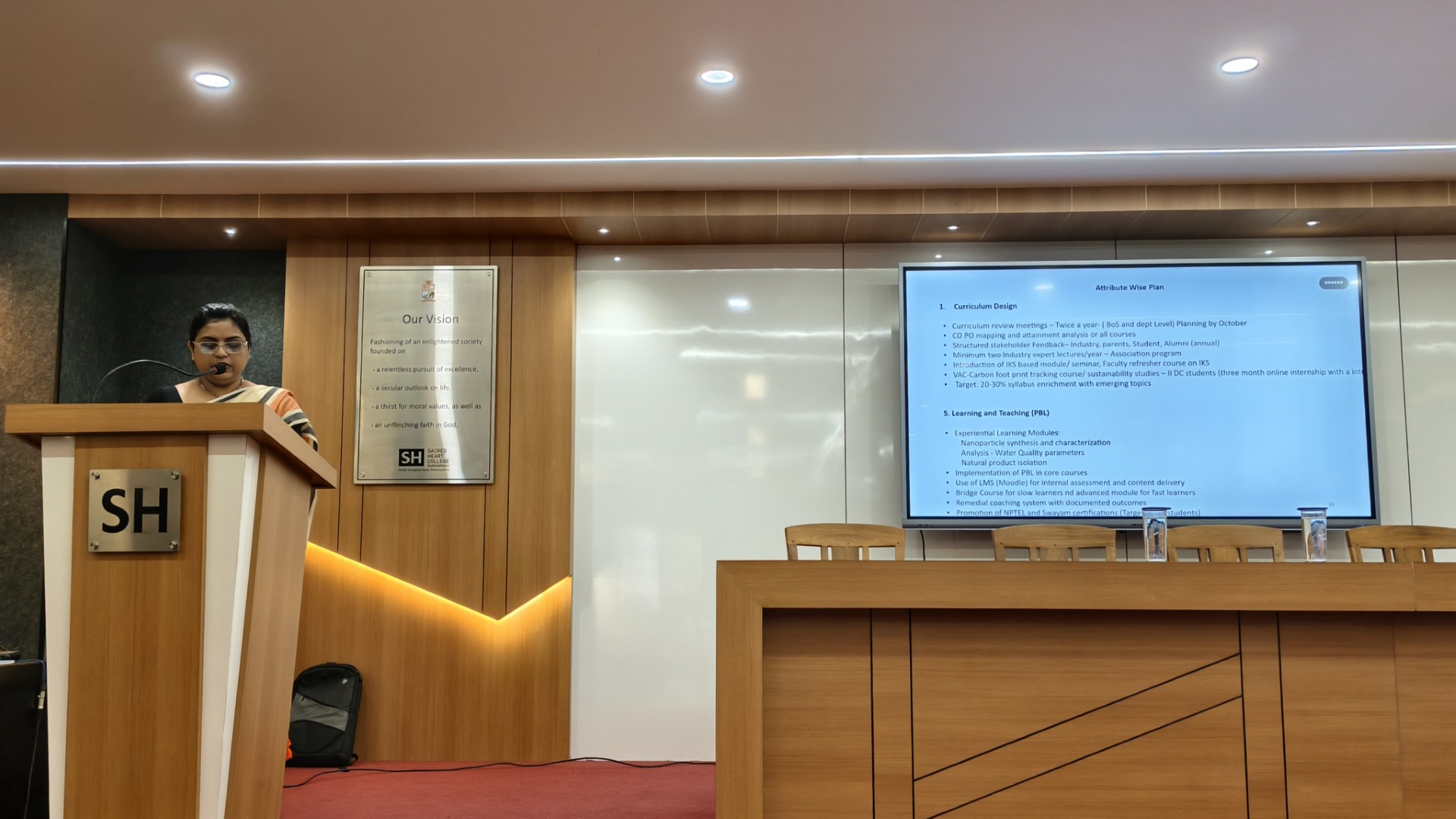
Annual Planning Workshop 2026-27 (16)
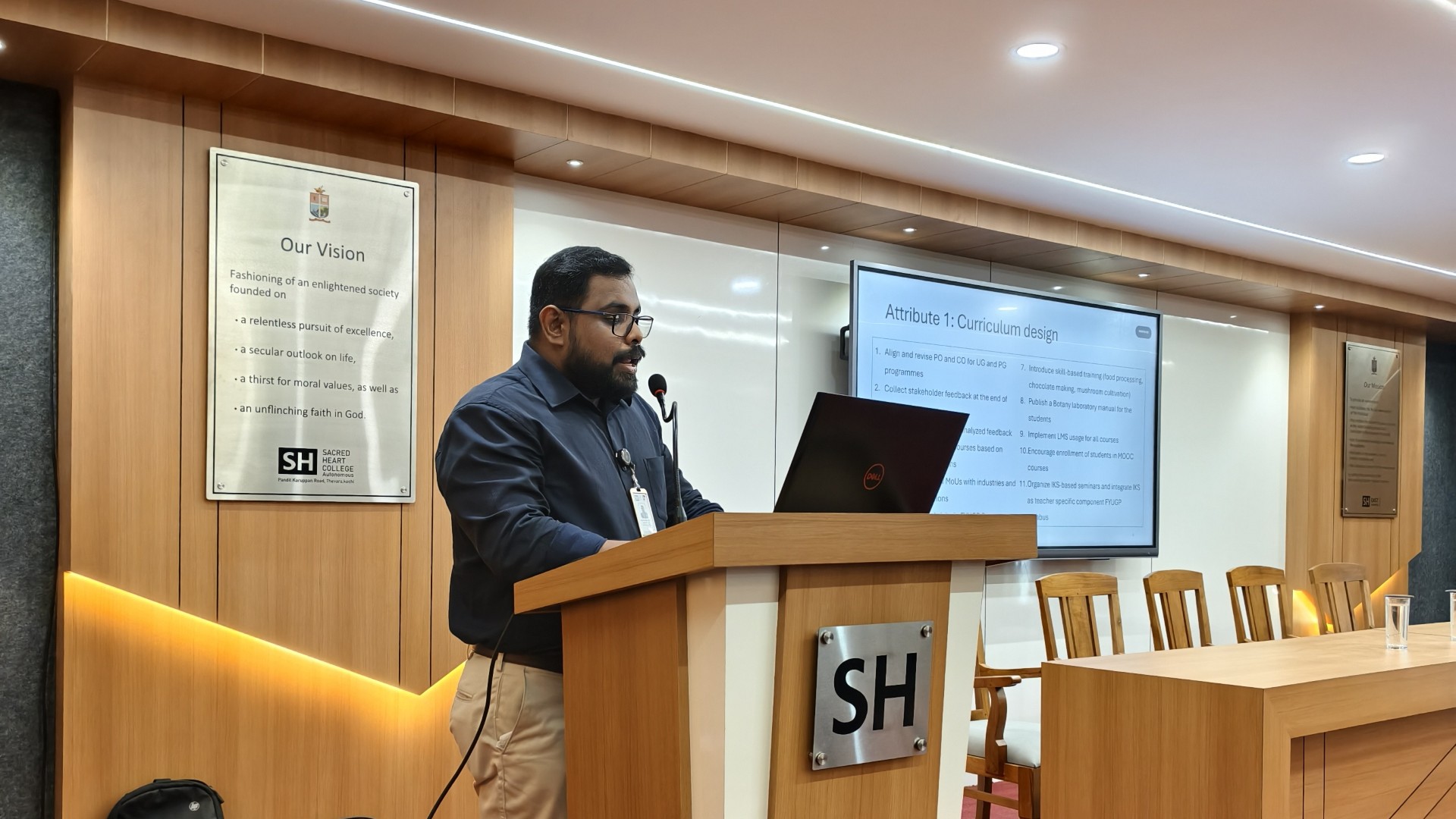
Annual Planning Workshop 2026-27 (15)
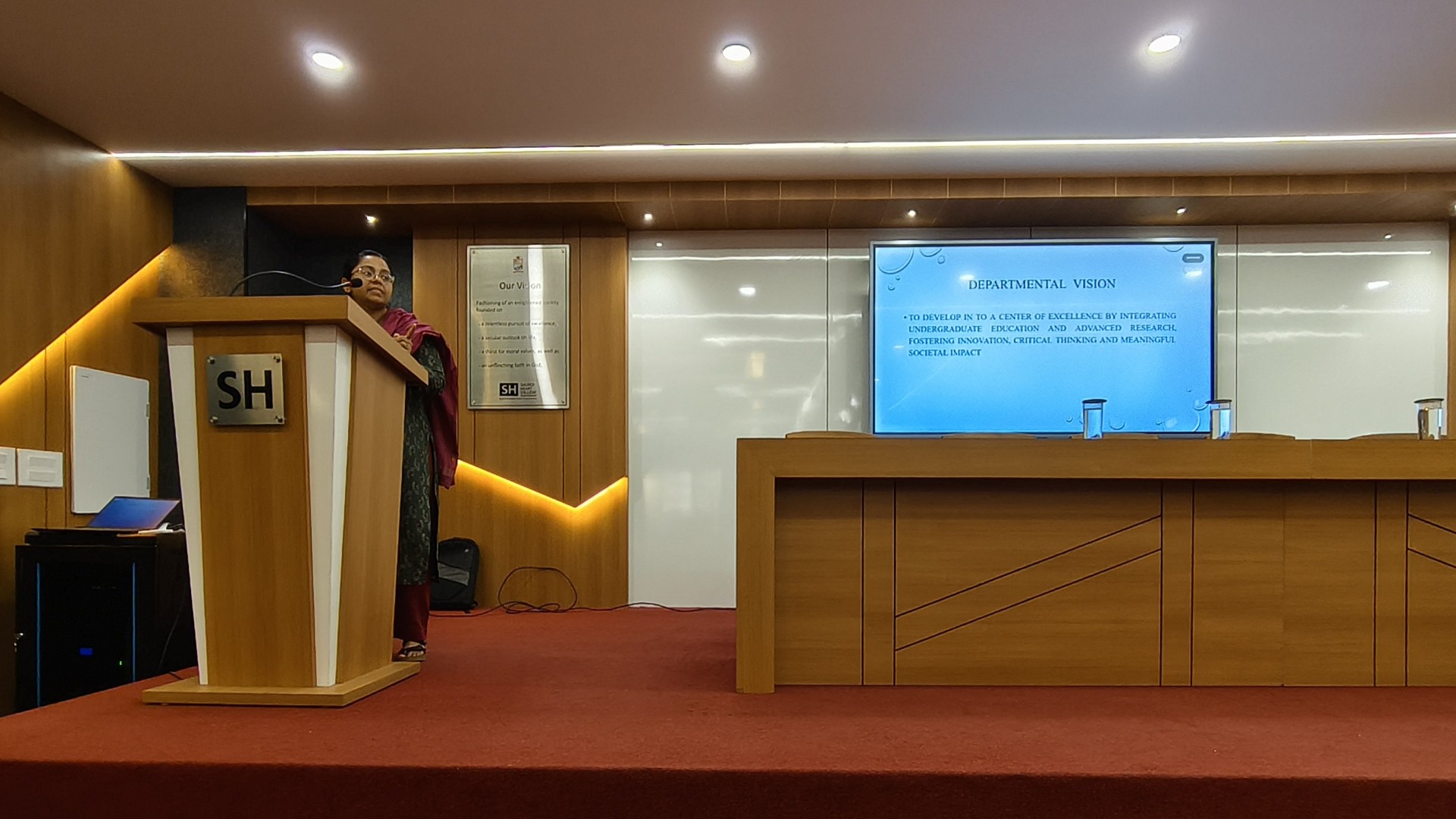
Annual Planning Workshop 2026-27 (14)
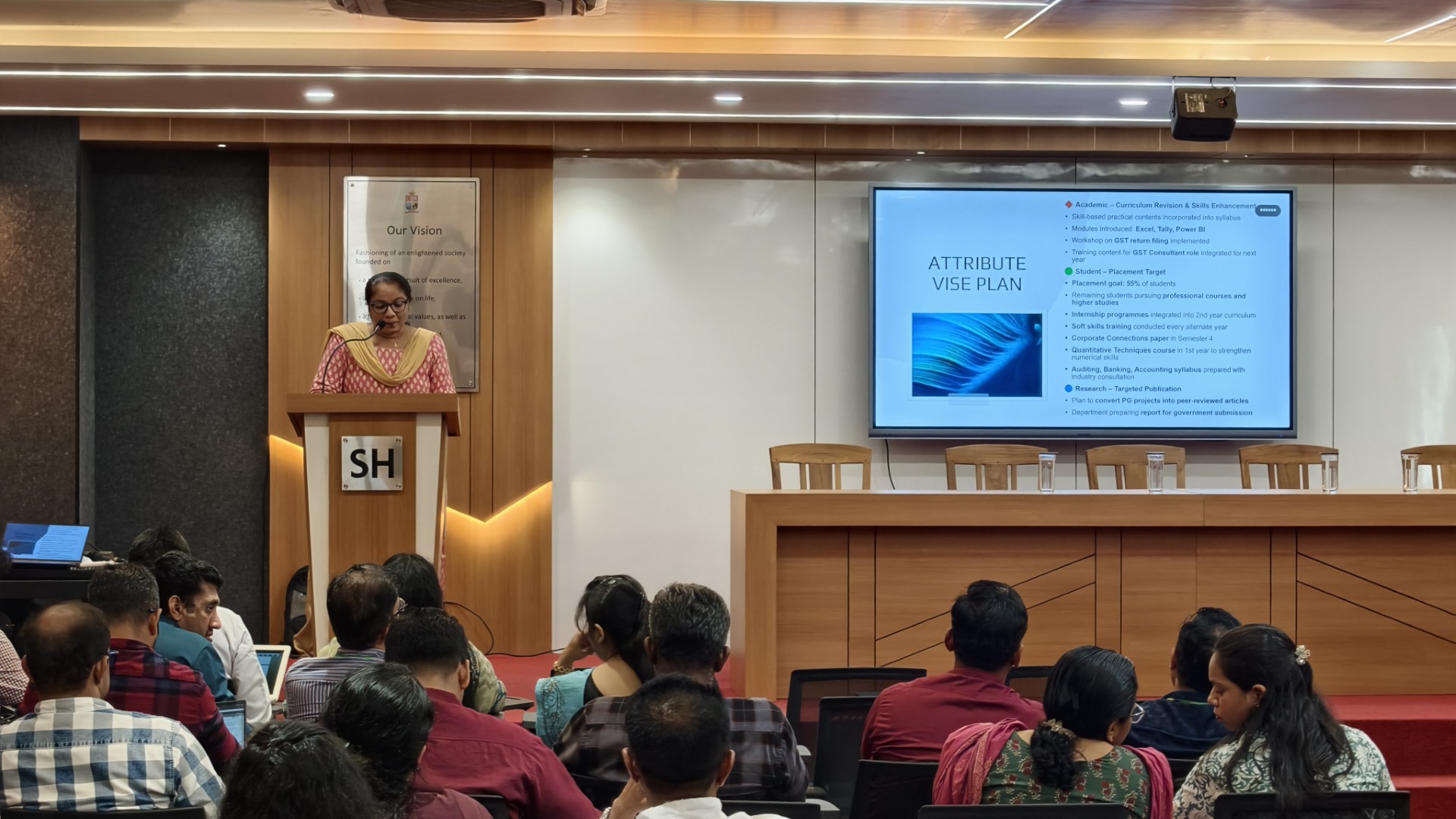
Annual Planning Workshop 2026-27 (13)
Annual Planning Workshop 2026-27 (12)
Annual Planning Workshop 2026-27 (11)
Annual Planning Workshop 2026-27
Annual Planning Workshop 2026-27 (10)
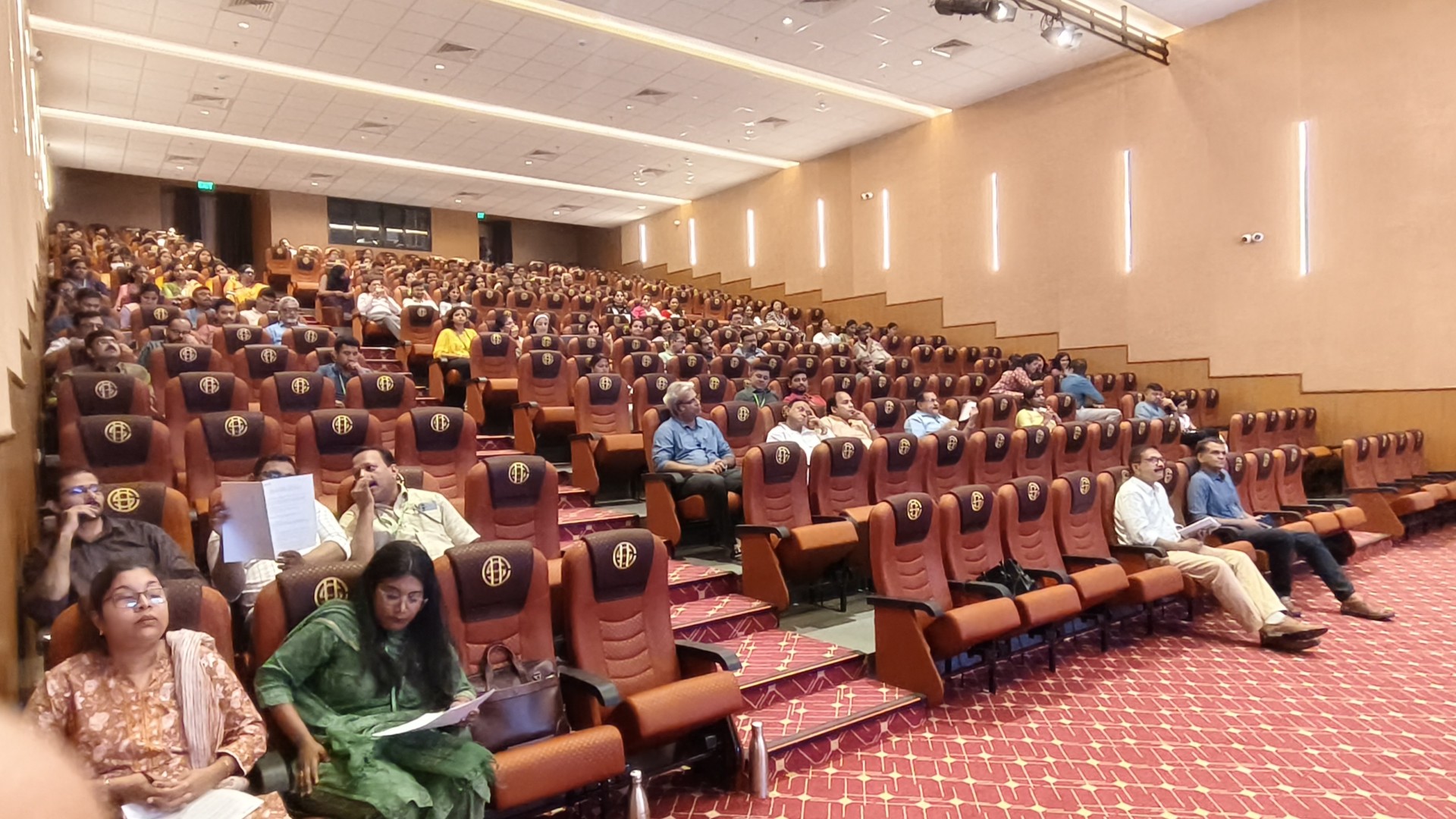
Annual Planning Workshop 2026-27 (2)
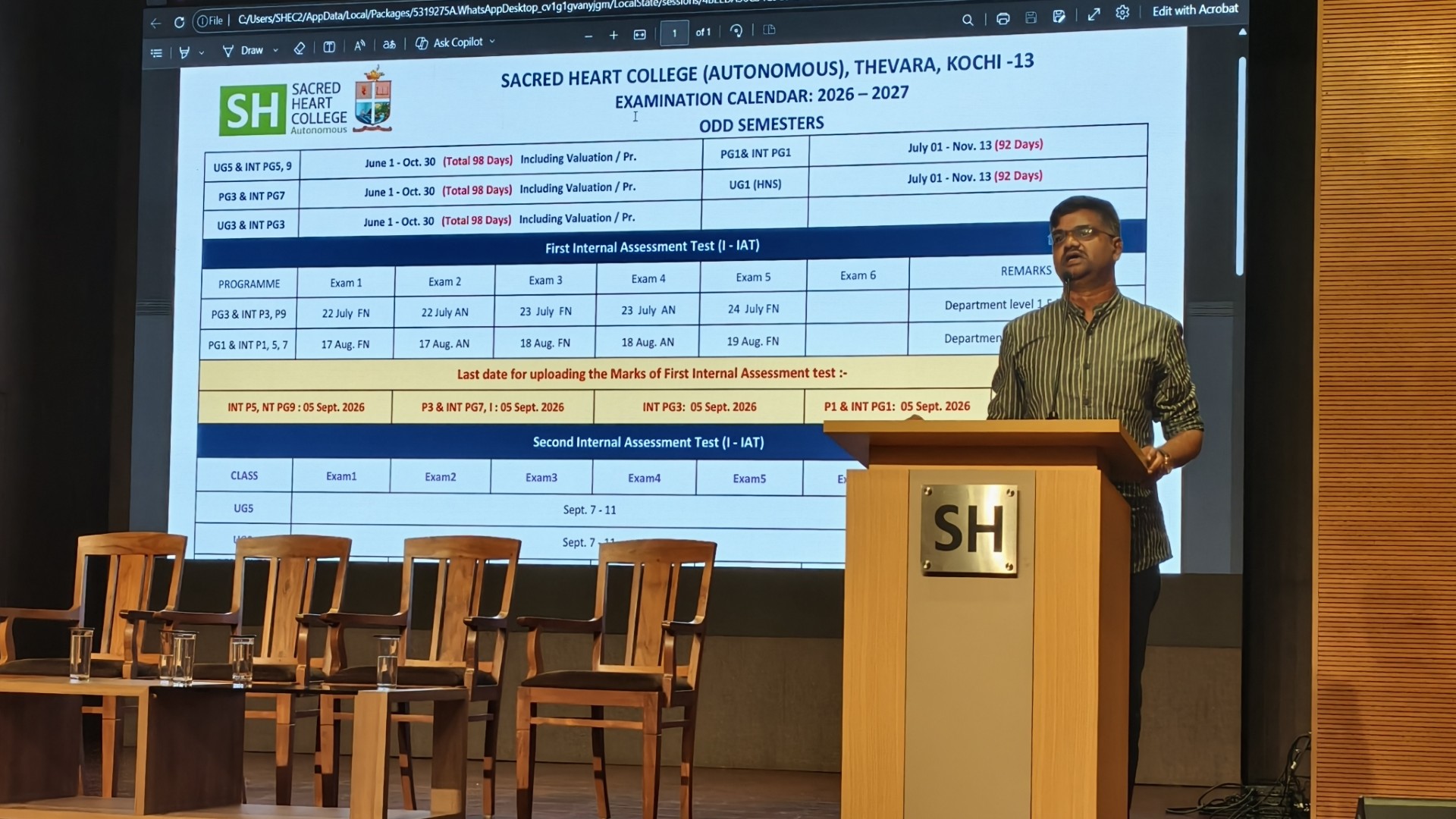
Annual Planning Workshop 2026-27 (9)
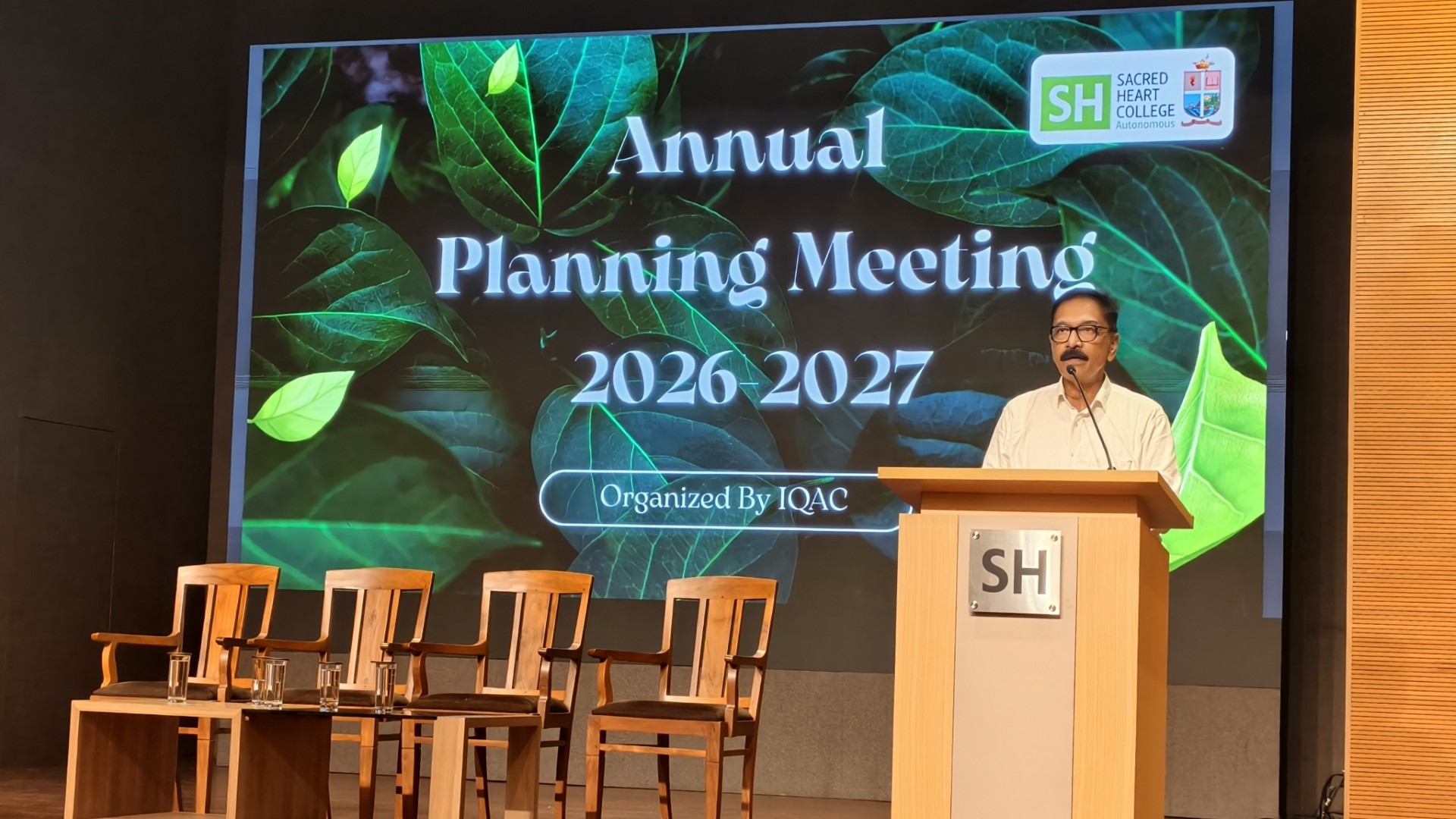
Annual Planning Workshop 2026-27 (8)
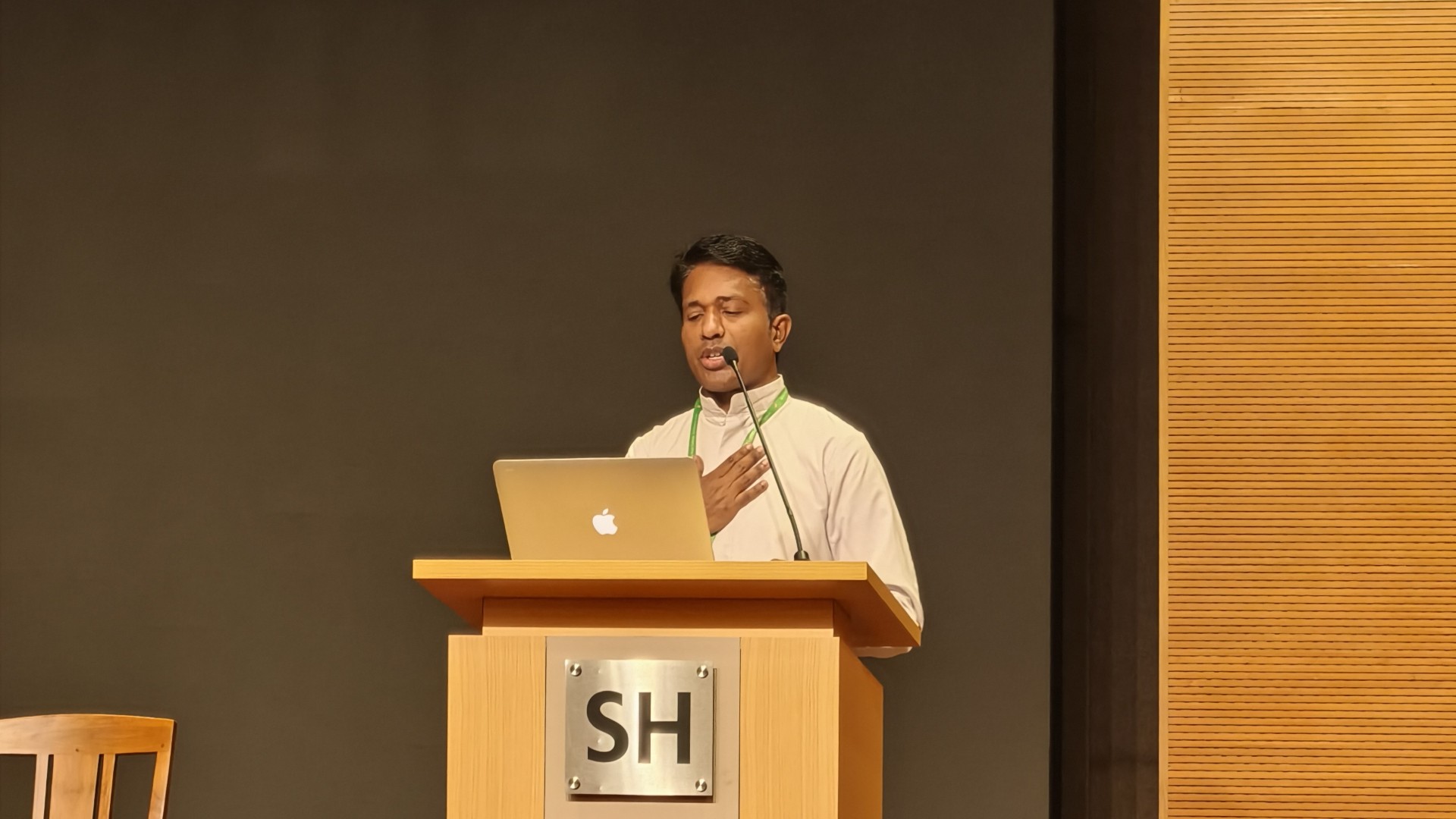
Annual Planning Workshop 2026-27 (3)
Annual Planning Workshop 2026-27 (4)